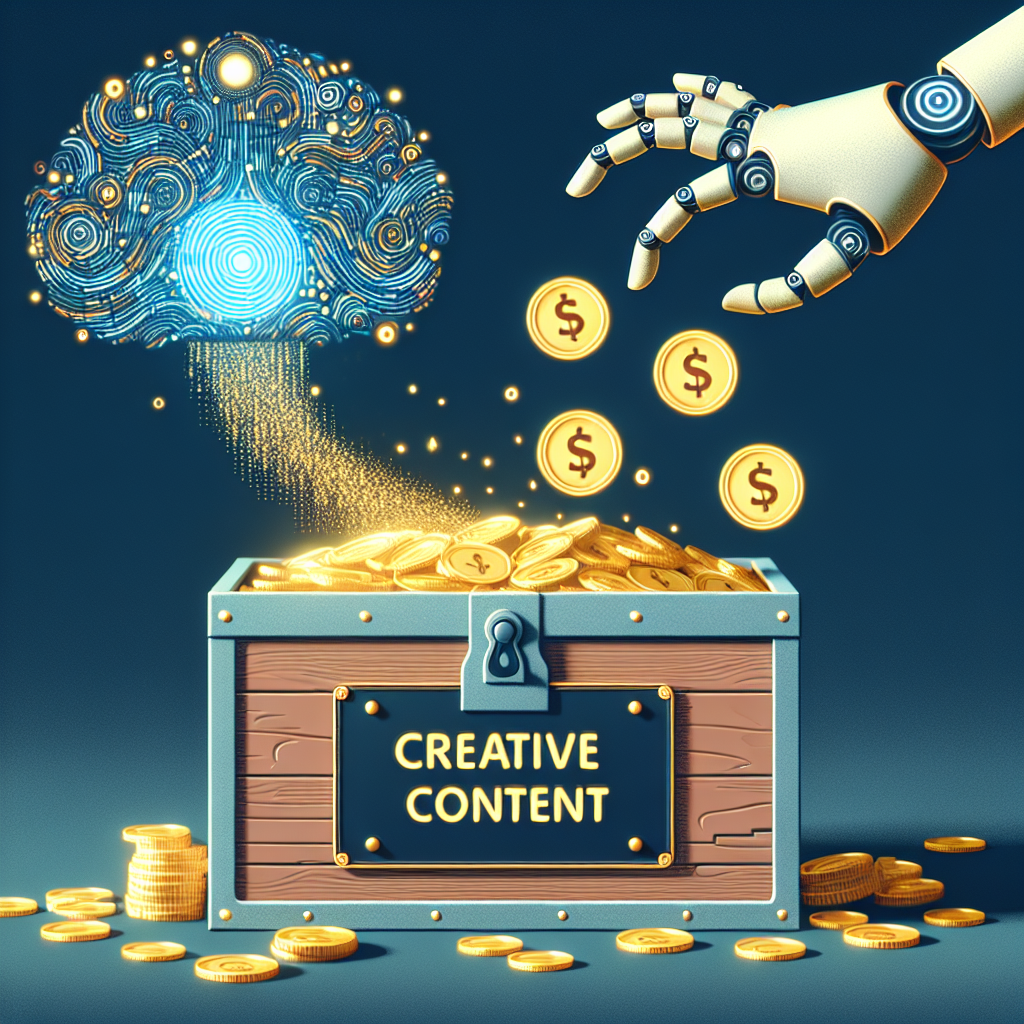
EU Parliament Takes on AI’s Copyright Conundrum (Spoiler: The Robots Aren’t Getting Free Lunch)
The European Parliament is rolling up its sleeves to tackle what might be the digital age’s most awkward dinner party conversation: Can AI companies just hoover up everyone’s creative work without asking—or paying?
On March 10th, rapporteur Axel Voss will face the press to explain Parliament’s bold stance on protecting copyright in the age of artificial intelligence. Translation: Someone’s finally saying “not so fast” to AI companies treating the internet like an all-you-can-eat buffet of copyrighted content.
Here’s the deal: MEPs want AI providers to actually acknowledge when they’re using protected content to train their shiny new chatbots and image generators. Wild concept, right? Even wilder—they want creators to get paid for it. Revolutionary stuff.
The proposals being voted on include giving content creators the power to opt out of having their work used for AI training. It’s basically the “Do Not Call” list, but for your novel, artwork, or that viral blog post you wrote in 2019.
The kicker? If AI companies are training their models on content created in the EU, they’ll need to play by EU rules. The report also tackles concerns about the press sector and what generative AI means for media pluralism—because apparently, we need to worry about AI threatening journalism too. (As if journalism didn’t have enough problems.)
The press conference will feature interpretation in six languages, because nothing says “serious business” like multilingual bureaucracy. Journalists can attend in person or join remotely via Interactio, though they’re warned to connect 30 minutes early if they’ve never used it before. Technology protecting us from technology—the irony is not lost.
Bottom line: The EU is drawing a line in the digital sand. AI companies can’t just train their models on copyrighted work without permission and compensation. It’s common sense wrapped in legislative language, served with a side of “what took so long?”