European Parliament Gets Down to Business (And Some Serious Remembrance)
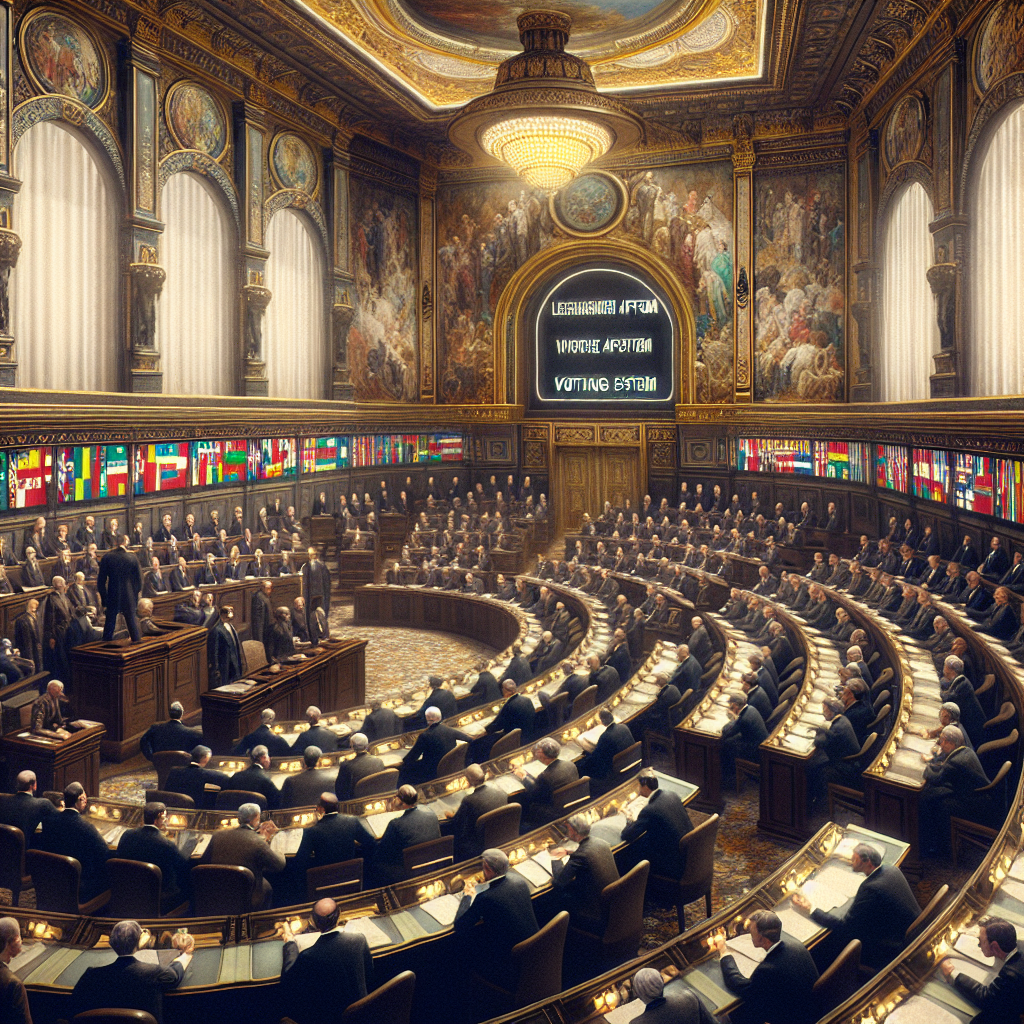
The European Parliament kicked off its April 27-30 plenary session in Strasbourg with President Roberta Metsola at the helm, mixing somber commemorations with the kind of bureaucratic housekeeping that keeps the EU machine humming.
When Disasters Echo Through Decades
Metsola opened with a poignant reminder that it’s been 40 years since Chornobyl decided to have the world’s worst day ever. The nuclear disaster’s environmental and human fallout is still making itself known, proving that some hangovers last for generations. “Europe remembers, and Europe stands with you,” she declared, addressing communities still dealing with the consequences of that catastrophic April day in 1986.
Two Women, Too Much Courage
The President then turned attention to Iran, where Nobel Peace Prize winner Narges Mohammadi and Sakharov Prize laureate Nasrin Sotoudeh remain imprisoned for the crime of… being brave, basically. Metsola called them “two women of extraordinary courage” and demanded their immediate release, promising that Parliament “will always be a voice for those who have been silenced.” No pressure, Iran.
The Immunity Shuffle
In less inspiring news, Parliament is dealing with a flurry of immunity waiver requests. Six MEPs face votes on whether they can be prosecuted for various alleged misdeeds, while Greece, Hungary, and Poland have asked for immunity to be lifted from three others. It’s like a game of political hot potato, except with legal consequences.
Musical Chairs, MEP Edition
The session also saw the usual comings and goings: two MEPs out (including Anders Vistisen, who presumably had better things to do), three MEPs in. Democracy never sleeps, even if some parliamentarians occasionally do during debates.
The agenda was tweaked, negotiations were authorized, and deadlines were extended—because what’s the EU without a good deadline extension? The air passenger rights regulation got an extra two weeks to sort itself out, proving that even legislation sometimes needs a time-out.