News

  • Russia Accuses Baltic States of Plotting Attacks, EU Calls Bluff

    Russia Accuses Baltic States of Plotting Attacks, EU Calls Bluff

    Russia Accuses Baltic States of Plotting Attacks, EU Says “Nice Try”

    In what can only be described as another episode of “Things Russia Says,” the Russian Federation has accused Latvia, Estonia, and Lithuania of preparing hostile actions and potentially allowing their territory to be used for attacks against Russia. Latvia’s response? A firm “nope” and a side of “stop making things up.”

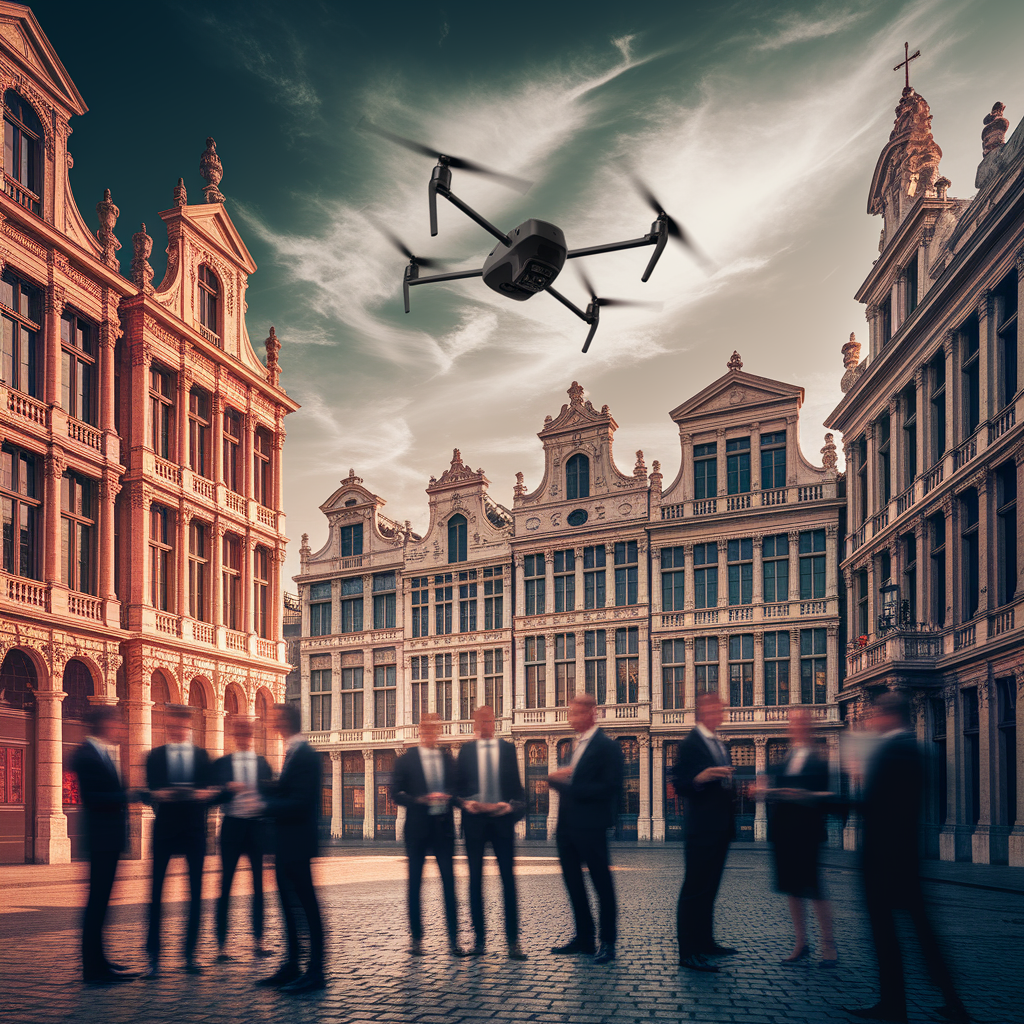
    The Conference of Presidents isn’t buying it either, calling out Moscow’s claims as part of a greatest hits collection of intimidation tactics and disinformation aimed at EU member states. The timing is particularly rich considering mysterious drones keep popping up uninvited in Baltic airspace like unwanted party guests who won’t take the hint.

    The EU is standing firmly behind the Baltic trio, essentially telling Russia that messing with one member state means messing with the whole club. It’s the geopolitical equivalent of “you touch my friend, you deal with all of us.”

    European leadership is now being urged to beef up airspace surveillance, counter-drone capabilities, and strategic communication efforts. Translation: more eyes in the sky, better drone-swatting technology, and a serious upgrade to the “that’s fake news” response team.

    The message from Brussels is crystal clear: the EU isn’t falling for Russia’s destabilization playbook, and unity isn’t negotiable. The Baltic states’ security is Europe’s security, and no amount of creative fiction from Moscow is going to change that.

    Stay vigilant, stay united, and maybe invest in some better drone detectors.

  • The Hall of Fame You’ve Never Heard Of (But Definitely Should)

    The Hall of Fame You’ve Never Heard Of (But Definitely Should)

    The Hall of Fame You’ve Never Heard Of (But Definitely Should)

    So you’ve stumbled onto a page about “Previous Sakharov laureates” and you’re probably thinking, “Is this a science award? A Russian thing? Did I accidentally click on something important while looking for cat videos?”

    Well, buckle up, because the Sakharov Prize is actually the European Parliament’s way of giving a very fancy high-five to people who stand up for freedom of thought. Think of it as the Oscars, but instead of rewarding people for pretending to be other people, it celebrates folks who risk everything to be themselves and fight for others’ rights to do the same.

    The page itself is basically a digital trophy case – a who’s who of brave souls who’ve told oppression to take a hike. Unfortunately, the actual scrape you’re looking at is about as informative as a blank postcard. It’s mostly just a cookie consent form (because apparently even human rights need to track your browsing habits) and a navigation menu in approximately 47 languages.

    The real content? It’s playing hide-and-seek somewhere behind all those language options and social media links. But here’s what we know: this prize is named after Andrei Sakharov, a Soviet physicist who went from building hydrogen bombs to becoming a human rights champion – talk about a career pivot!

    The page promises to tell you about past winners, those magnificent humans who’ve fought the good fight for freedom of thought. You know, the people who make the rest of us feel slightly guilty about complaining that our coffee wasn’t hot enough.

    The bottom line? This is where Europe keeps its list of freedom-fighting heroes. You just need to click past the cookie warning first.

  • EU Creates Cross-Border Safety Net for Adults Who Need Help Managing Life

    EU Creates Cross-Border Safety Net for Adults Who Need Help Managing Life

    EU Makes Adulting Easier (When You Can’t Adult Anymore)

    The European Parliament just struck a deal that proves bureaucrats do have hearts—they’ve agreed on new rules to help vulnerable adults navigate the thrilling world of cross-border paperwork when life gets complicated.

    Starting soon, EU adults who need a little (or a lot of) help managing things like medical decisions, property, or figuring out where to live will get better protection when dealing with issues across different EU countries. Think of it as a safety net for when adulting becomes too much adult.

    Your Future Self Will Thank You

    Here’s the clever bit: the new rules let you plan ahead for a time when you might not be able to handle your own affairs. It’s like writing a will, but for your present-day chaos instead of your post-mortem estate. And unlike that IKEA furniture assembly, measures approved in one EU country won’t need special procedures to work in another—though countries can still say “nope” if proper hearings weren’t conducted.

    The Golden Ticket: A Free Certificate

    The pièce de résistance? A shiny new “European Certificate of Support and Representation” that works across all EU countries. It’s basically a VIP pass proving someone’s authorized to help you out. Best part? It’ll be free or dirt cheap, and possibly digital—because nothing says “I need help managing my life” like having to manage yet another piece of paper.

    MEPs fought hard to ensure adults get proper support and information, including practice guides and factsheets. Because if there’s one thing the EU loves more than regulations, it’s factsheets about regulations.

    The deal still needs final approval, but once published, it’ll kick in twenty days later. Finally, bureaucracy moving at the speed of… well, slightly faster bureaucracy.

  • EU Parliament’s Week of Meetings About Meetings: Democracy Never Looked So Bureaucratic

    EU Parliament’s Week of Meetings About Meetings: Democracy Never Looked So Bureaucratic

    EU Parliament Gears Up for Another Week of Very Important Meetings About Very Important Things

    The European Parliament is rolling out the red carpet (and firing up Interactio, whatever that is) for Wednesday’s press briefing about next week’s plenary session. Because nothing says “democracy in action” quite like a press conference about an upcoming meeting.

    Kicking off May 18-21, the agenda reads like a greatest hits album of EU bureaucracy. First up: the inaugural European Order of Merit ceremony, where presumably someone gets a fancy medal for being exceptionally European.

    But wait, there’s more! MEPs will cast their final vote on screening foreign investments—because apparently, the EU’s strategic sectors need protection from suspicious outsiders who might want to, you know, invest money in them.

    The real excitement comes with debates on the single market (thrilling!), cybersecurity threats from AI systems (finally, something scary), and the Middle East crisis (less thrilling). There’s also a fertilizer action plan on the docket, which is exactly as riveting as it sounds.

    Latvia’s Prime Minister Evika Siliņa will drop by for a “This is Europe” debate, presumably to remind everyone that yes, Latvia is indeed in Europe.

    Journalists eager to participate must navigate the technological labyrinth of Interactio—supported only on iPads with Safari and Mac/Windows with Chrome, because why make things simple? First-timers are advised to connect 30 minutes early for a “connection test,” which sounds less like journalism and more like preparing for a space mission.

    The whole affair streams live from the Anna Politkovskaya press room, with interpretation available in English and French. Because if you’re going to discuss fertilizer policy, you might as well do it bilingually.

  • Europe’s Gen Z Is Quietly Saving Democracy—And Making Us All Look Bad

    Europe’s Gen Z Is Quietly Saving Democracy—And Making Us All Look Bad

    Europe’s Youth Are Saving Democracy (One App at a Time)

    While most of us are still figuring out how to adult properly, three groups of European youngsters just casually won awards for fixing democracy. No big deal.

    The 2026 European Charlemagne Youth Prize winners were announced Tuesday in Aachen, and honestly, they’re making the rest of us look bad. The prize celebrates young people aged 16-30 who’ve created projects that strengthen democracy and citizenship across Europe. You know, light reading for your Tuesday morning.

    Taking home the top prize (and €7,500) is Estonia’s ATHENA project, which is basically a masterclass in getting young women into leadership roles. Because apparently, someone finally noticed that democracy works better when half the population isn’t sidelined. Revolutionary stuff.

    France’s Pol app snagged second place and €5,000 by doing the impossible: making politics interesting to young people. The app lets citizens vote on actual bills being debated in the French National Assembly. It’s like Fantasy Football, but for legislation. And with less screaming. Probably.

    Spain’s European Guanxi network grabbed third (€2,500) for creating a platform where young Europeans can discuss EU-China relations without resorting to Twitter feuds. They’re building bridges while the rest of us are still building IKEA furniture incorrectly.

    Since 2008, over 7,600 projects have competed for this prize, which is jointly awarded by the European Parliament and the Foundation for the International Charlemagne Prize of Aachen. Each EU country picks a national winner, then three European laureates are crowned.

    So there you have it: while you were doomscrolling, Gen Z was out there actually doing something about democracy. No pressure or anything.

  • Europe’s Elite Get Their Own Oscar Moment as Parliament Hands Out Its First-Ever Order of Merit

    Europe’s Elite Get Their Own Oscar Moment as Parliament Hands Out Its First-Ever Order of Merit

    Europe’s Got Talent: Political Edition

    The European Parliament is rolling out the red carpet for what might be the continent’s most exclusive awards ceremony yet – and no, you can’t vote via text message. On May 19th in Strasbourg, the inaugural European Order of Merit will honor 20 people who’ve basically been Europe’s MVPs.

    Think of it as the Oscars, but with more former chancellors and fewer tearful acceptance speeches (probably). Thirteen of the twenty laureates are expected to show up, which is actually a pretty solid RSVP rate for politicians.

    The guest list reads like a “Who’s Who” of European heavy-hitters. Angela Merkel is coming – presumably she’s cleared her schedule of not running Germany anymore. Lech Wałęsa, the legendary Solidarity leader who helped topple communism, will be there. Even Moldova’s President Maia Sandu is making the trip, which is quite the commute.

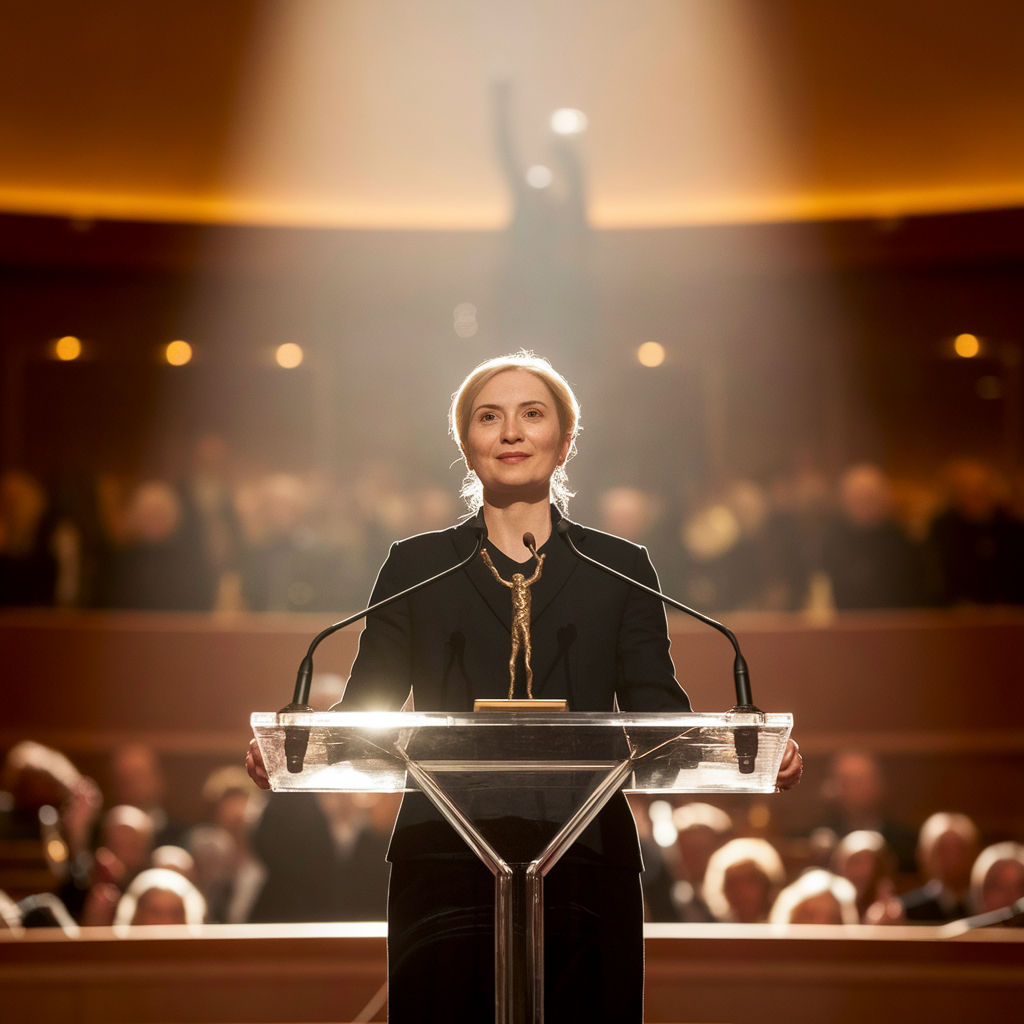
    The ceremony kicks off at 11:30 AM, and here’s where it gets interesting: each laureate gets to speak after receiving their medal. That’s right, each one. Better grab coffee. The whole thing will be livestreamed for those who can’t make it to Strasbourg or who prefer watching history unfold in their pajamas.

    After the main event, there’s a media circus – sorry, “press briefings” – where journalists can grill the winners. Later, some laureates will participate in a panel discussion, because apparently one ceremony wasn’t enough celebrating for the day.

    This whole shindig is timed perfectly with the 75th anniversary of the Schuman Declaration, the 1950 document that basically said, “Hey, maybe we should stop fighting and start cooperating?” Radical stuff.

    It’s the first European distinction of its kind granted by an EU institution, which means Parliament is finally getting in on the awards game. Better late than never, right?

  • EU Finally Figures Out How to Keep Medicine Cabinets Stocked

    EU Finally Figures Out How to Keep Medicine Cabinets Stocked

    EU Finally Figures Out How to Keep Medicine Cabinets Stocked

    After presumably one too many panicked pharmacy runs, the European Parliament and Council have hammered out a deal to stop essential medicines from playing hide-and-seek across the continent. The agreement, reached in the wee hours of Tuesday morning (because nothing says “urgent healthcare crisis” like negotiating until dawn), aims to make sure Europeans can actually find their antibiotics, insulin, and vaccines when they need them.

    The problem? Over half of medicine shortages stem from manufacturing hiccups—turns out relying heavily on non-EU countries for your life-saving drugs isn’t the smartest strategy. Who knew?

    The Game Plan

    The new rules embrace a refreshingly straightforward “Buy European” approach. Companies that manufacture medicines in the EU will get preferential treatment in procurement procedures, while strategic manufacturing projects on European soil will score access to funding and faster permits. It’s basically Europe’s way of saying, “We should probably make our own stuff.”

    The deal also introduces collaborative procurement—because apparently it took a continent-wide medicine shortage to realize that countries might want to, you know, work together. When five or more countries request it, the Commission will have to initiate joint procurement. Revolutionary stuff.

    What’s Covered

    The rules apply to critical medicines including antibiotics, insulin, vaccines, and treatments for chronic and rare diseases. Even orphan drugs for rare diseases get a seat at the table, which is nice considering they’re, well, rare.

    The Fine Print

    Companies receiving EU or national funding will have to prioritize supplying the EU market—a condition that sounds obvious but apparently needed to be written down. The agreement still needs approval from both Parliament and Council, but negotiators seem pretty pleased with themselves for finally addressing a problem that’s been causing headaches (and shortages of headache medicine) for years.

    The moral of the story? Sometimes you need a crisis to realize that making your own medicine is probably a good idea. Better late than never, Europe.

  • European Parliament’s Quietest Week Ever: President Metsola Does All the Heavy Lifting

    European Parliament’s Quietest Week Ever: President Metsola Does All the Heavy Lifting

    European Parliament’s Quietest Week Ever? President Metsola Does All the Heavy Lifting

    If you were hoping for dramatic debates or legislative fireworks from the European Parliament the week of May 11-17, 2026, you’re in for a disappointment. In what might be the political equivalent of a ghost town, the Parliament has essentially cleared its schedule—except for one very busy person: President Metsola.

    The weekly agenda reveals a stunning lack of plenary sessions, committee meetings, delegations, public hearings, and formal sittings. That’s right: zero, zilch, nada across all categories. It’s as if someone hit the “out of office” button for the entire institution.

    But fear not! President Metsola is single-handedly keeping the lights on. On Tuesday, she’ll address a Copenhagen summit about keeping children safe in the AI era (via video, naturally—why travel when you can Zoom?), meet with some bishops, and commemorate a Spanish senator’s 25th death anniversary. Wednesday brings a Conference of Presidents meeting, a chat with Commission Executive Vice-President Mînzatu, and another video address. Thursday? Just a quick virtual appearance at a sustainability forum.

    The only other sign of life is a press conference about a “European Single Ticket” initiative (one continent, one ticket—revolutionary!) and the standard pre-session briefing on Wednesday.

    So what’s everyone else doing? Taking an early summer holiday? Binge-watching EU regulation documentaries? Your guess is as good as ours. At least President Metsola’s calendar is full enough for three people.

  • Europe Day 2025: 76 Years of Unity, Plus Free Snacks at Every EU Building

    Europe Day 2025: 76 Years of Unity, Plus Free Snacks at Every EU Building

    Europe Day 2025: 76 Years of Unity, Plus Free Snacks at Every EU Building

    Mark your calendars, folks—May 9th is Europe Day, and this year’s bash is celebrating 76 years since the Schuman Declaration basically invented the “let’s all get along” concept for a continent that really, really needed it.

    The party’s extra special in 2025 because it’s been 40 years since Portugal and Spain joined the club, and 40 years since someone decided “Hey, we should actually celebrate this thing officially.” Better late than never, right?

    Every EU Building Is Having an Open House (Yes, Really)

    In what can only be described as the world’s most bureaucratic carnival, practically every EU institution is flinging open its doors on May 9th. The European Parliament in Brussels kicks off at 10 AM with their choir—because nothing says democracy like synchronized singing—followed by speeches and the chance to see where laws are actually made. There’s even a live music stage, because apparently legislation needs a soundtrack.

    The European Council is letting people tour the Justus Lipsius building, which is basically like getting backstage access to where the real decisions happen. All 27 member states will have stands showing off their culture and food (finally, the important stuff), plus there’s a photo booth where you can pretend to be an EU leader. Instagram gold.

    The European Commission’s Berlaymont building opens with the catchy slogan “Europe’s Moment”—featuring interactive spaces about everything from climate to social justice, plus an art trail for when policy discussions get too real. They’re even throwing a free concert that evening, because nothing says “successful political union” like live music.

    Frankfurt, Strasbourg, and Luxembourg Join the Fun

    The European Central Bank is hitting up Frankfurt’s Europa-Fest to talk about everyone’s favorite topic: money. Specifically, the euro redesign and that digital euro project they keep mentioning. The European External Action Service promises “Step Inside EU Diplomacy,” which includes video calls with EU staff worldwide—basically a very official Zoom party.

    Even the European Committee of the Regions and the European Economic and Social Committee are getting in on the action, proving that literally every EU body wants you to know what they do (and maybe understand it, if there’s time).

    The Numbers Don’t Lie

    A fresh Eurobarometer survey reveals that three-quarters of Europeans think EU membership is actually pretty great, and 75% feel like EU citizens—the highest level ever recorded. In a world that feels increasingly chaotic, turns out people appreciate a little continental stability.

    So whether you’re grabbing free food at a member state stand, taking a selfie on a red carpet, or just enjoying buildings lit up in EU colors worldwide, Europe Day 2025 is shaping up to be quite the celebration. Democracy, prosperity, and peace—with a side of interactive quizzes and treasure hunts for the kids.

    Not bad for 76 years of work.

  • Africa and Europe Meet in Eswatini: Three Days to Tackle Global Challenges

    Africa and Europe Meet in Eswatini: Three Days to Tackle Global Challenges

    Two Continents, One Conference Room, and a Whole Lot of Agenda Items

    Pack your bags for Eswatini, folks—the Africa-EU Parliamentary Assembly is about to kick off its inaugural plenary session, and it’s shaping up to be quite the diplomatic shindig. From May 12-14, African and European parliamentarians will gather at the impressively named Ezulwini Palazzo International Convention and Conference Centre (try saying that three times fast) to tackle everything from security to critical raw materials.

    The guest list? Pretty impressive. Prime Minister Russell Mmiso Dlamini, Prince Lindani, and co-presidents Hilde Vautmans from Belgium and David Houinsa from Benin will be there to get things rolling. No pressure, but they’ve only got three days to solve youth mobility, women in agriculture, multilateralism, and oh yeah, that whole “global race for critical raw materials” thing. Light work, really.

    The agenda reads like a greatest hits of contemporary geopolitical challenges: peace and security, parliamentary diplomacy, and how to keep young people from fleeing their countries. They’ll wrap up by sending recommendations to the Africa-EU Council of Ministers—because nothing says “we mean business” like a strongly worded recommendation.

    For any journalists wondering if they can crash the party, there’s a press point scheduled for Tuesday morning at 9:00 AM. Show up early, grab your coffee, and prepare for some high-level diplomatic speak about cooperation, partnership, and other words that sound important in press releases.

    Who knows? Maybe they’ll actually figure out how to share those critical raw materials without anyone getting too critical about it.